

My fibromyalgia journey
Welcome to my personal story, a journey of nearly two decades living with fibromyalgia and M.E. Here, I share the challenges, discoveries, and the path to understanding my body and finding peace. You are not alone.
My Journey with Fibromyalgia and ME
For nearly 20 years, I have lived with fibromyalgia and myalgic encephalomyelitis (ME). The road has been long and incredibly arduous, filled with challenges that have tested my endurance and resilience. At the beginning of my journey, I felt profoundly lonely and bewildered by the changes in my body. I struggled to understand what was happening to me, grappling with fatigue, pain, and a lack of clarity. Over the years, I've faced numerous obstacles, but I've also learned valuable lessons about patience and self-compassion. Though it’s been a tough path, I’ve gradually come to terms with my condition, seeking support from both healthcare professionals and communities affected by similar challenges. This journey has shaped my perspective, teaching me the importance of connection and understanding in coping with chronic illness.

My Journey: Finding a Name for My Condition
Enduring endless blood tests, hospital visits, and different medications was a challenging journey that ultimately led me to discover the name of my condition. While this diagnosis was a relief, it brought its own set of challenges, as not many people understood or believed in what I was experiencing. The process was often frustrating, as I navigated the healthcare system searching for answers. Each blood test felt like a step deeper into the unknown, with hopes rising and falling with every visit. Despite the obstacles, receiving a definitive name for my condition provided some clarity and validation, even though it didn't erase the struggles I faced. The journey underscored the importance of persistence in seeking answers, as well as the need for understanding and support from those around us. My experiences have shaped my perspective on health and illness, highlighting the critical need for empathy towards those with invisible conditions.
Dealing with the guilt at loosing the person you where and have become especially for my family seeing this once active person to someone who could hardly get out if bed

Understanding the Transition: From Active Mum and Wife to Struggling with Guilt
Feeling the guilt of transforming overnight from an active, vibrant mum and wife into someone who can barely get out of bed can be overwhelming. At the beginning, grasping this change is particularly hard. It leaves you questioning who you are and how to relate to your family. I found myself wrestling with emotions, seeking to comprehend my new reality. It's essential to acknowledge that such conditions can significantly alter one’s mental and physical state.
Throughout this journey, educating my family about the challenges I face has been crucial. Open communication has allowed them to gain insight into my struggles, making it easier for everyone involved. By sharing my experiences and feelings, I’m teaching them empathy and understanding—values that can help strengthen our family bond, even in tough times.
The Path to Understanding
As I navigate this change, I’m continuously working towards accepting my feelings of guilt and sadness. Rather than suppressing these emotions, understanding them has become a vital part of my healing process. It’s an ongoing journey, one that requires patience with myself and my loved ones.
It's important to recognise that I am not alone in this. Many individuals experience similar feelings of loss and disconnection when faced with mental and physical health challenges. Encouraging family involvement in therapy or support groups has also proven beneficial. This not only provides me with necessary support but also fosters a collective understanding within our home.
Moving Forward Together
In summary, while the guilt of becoming a different person overnight can be crippling, it’s important to remember that recovery and understanding are possible. Through communication and support, both from myself and my family, we can work towards a brighter outlook together. We are learning, growing, and adapting as a family, even amidst the challenges we face.
Reflecting on Transformation
As a parent, feeling guilt can be an overwhelming emotion. I remember the days when my kids were younger, watching their mother go through a drastic change almost overnight. She hardly got out of bed, and it was heartbreaking for all of us. The impact it had on our family was profound, especially on the children, who were trying to understand the situation. However, despite those tough moments, I am incredibly proud of them today. They have grown into remarkable adults, demonstrating resilience and strength. Their journey has shown me the importance of support and perseverance, and I am filled with admiration for who they have become. What once felt like insurmountable challenges have transformed into stories of growth and achievement, reminding me of the power of love and determination in overcoming difficulties.

Embracing Change: My Journey as a Grandparent
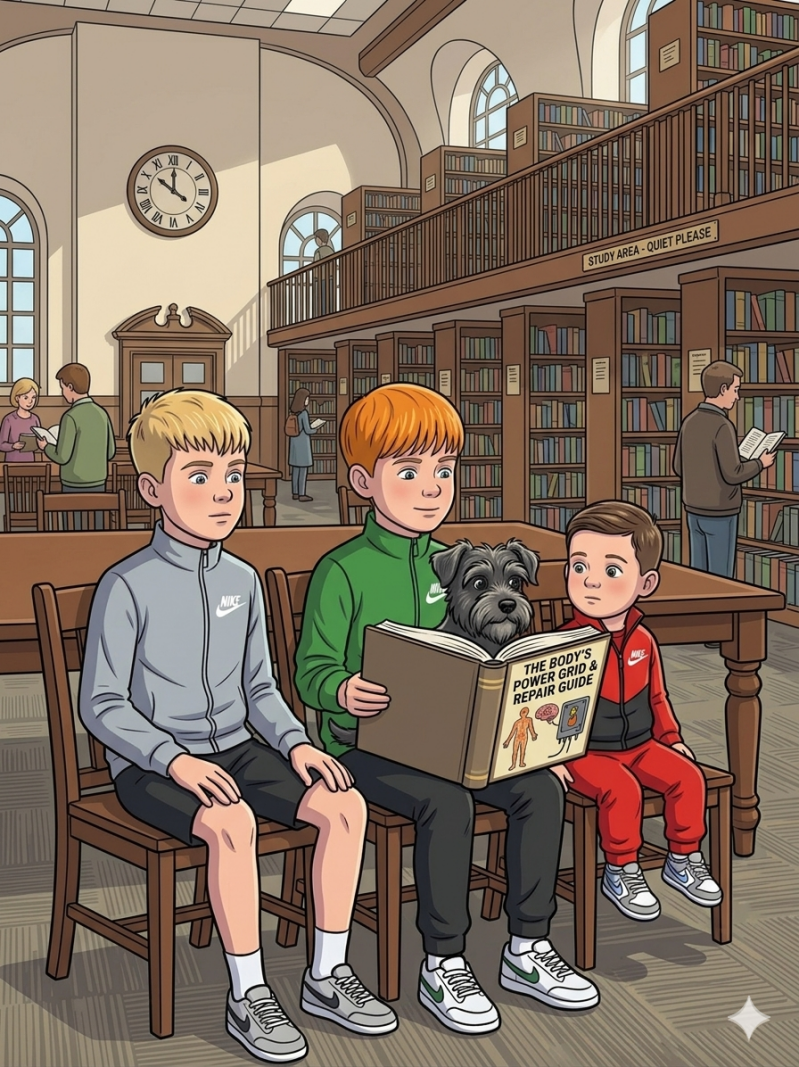
At first, I felt a sense of disappointment when my grandsons arrived, as I realised I couldn’t be the ideal nana I had envisioned. The image I had in my mind was filled with playful afternoons, baking together, and storytelling on cosy evenings. However, as I settled into the role, I discovered that I needed to redefine what being a grandmother meant to me. Instead of focusing on what I couldn't do, I began to appreciate the little moments we shared. Whether it was enjoying a quiet chat, reading a book, or simply watching them explore their world, I realised these experiences were just as meaningful. Learning to embrace my limitations allowed me to enjoy the precious time with my grandsons in a way that was authentic to our relationship. Gradually, I began to understand that being a nana doesn't always align with our expectations, but it can still be incredibly fulfilling when we open our hearts to the possibilities.
Navigating Changes in Married Life
Married life is a journey filled with changes and challenges. As a busy wife, you may have thrived on juggling various roles and responsibilities. However, when health issues begin to affect your daily activities, the dynamic of your relationship can shift significantly. Suddenly, you might find yourself relying on your husband for the everyday tasks you once managed with ease. This transition can be frustrating, not only for you but also for him, as both of you try to adapt to this new reality.
Communicating these feelings can be particularly challenging. It's essential to convey the nuances of your illness to your partner—sometimes, it feels like they just don’t understand the depth of your struggles. Heart-to-heart conversations become a lifeline through this process. During these talks, you lay bare your vulnerabilities, sharing frustrations and fears, which can foster empathy and support. It’s not easy to be open about needing help, but it’s a vital step towards finding common ground.
Over time, these conversations can lead to a deeper understanding between you two. It’s about synchronising your lives in a way that respects both your needs and the changes that come with your illness. Little by little, as you navigate this complex path together, you both can learn to appreciate the strength found in partnership and reliance on one another. The journey may be fraught with challenges, but finding peace in your new reality is possible. Embracing the changes can create a more profound bond, transforming your relationship into one rooted in mutual support and love.

Understanding the Pain of Losing Friends
Losing friends can be a difficult experience, often misunderstood by those around us. Many thought I was simply making excuses to avoid going out, but the reality was far more complex. It wasn't that I didn't want to socialise; it was just that I was navigating through my own struggles. However, through this challenging period, I discovered a meaningful friendship that has endured the test of time. This connection has provided me with support and understanding, and to this day, it remains strong and rewarding. It's a reminder that even in the midst of loss, we can forge bonds that truly matter.
Celebrating the Bond of Sisterhood
Having that one special friend who stands by your side through thick and thin is truly a gift. This friend never judges you, accepting you with all your imperfections. She embraces the changes life brings, adapting with grace, and remains a steadfast presence in your life. Together, you navigate the ups and downs, laughing and supporting each other along the way. This enduring connection transcends the bounds of friendship, evolving into something deeper; it’s the essence of sisterhood. No matter the distance or the challenges, the love and support between you two only grows stronger, proving that a true sister is found not just in blood, but in the hearts of those who cherish each other. Cherish this bond, for it is rare and invaluable.

Embracing Change: Finding Strength in Transition
Learning to accept the changes and challenges life presents can be daunting. However, it is important to remember that these experiences can lead to personal growth and strength. Embrace who you have become, recognising the journey that has shaped you. It’s essential to learn to love yourself, as that person is still very much a part of you, even amidst change. Take each day as it comes, allowing yourself the grace to adapt and evolve. By adopting this mindset, you will cultivate resilience and a deeper appreciation for your own journey.
Embracing the Strength in Accepting Help
Learning to accept help when needed doesn't make you weak; it actually requires a considerable amount of courage. Many people struggle with this concept, feeling that relying on others diminishes their self-worth or abilities. In reality, recognising your limitations and asking for assistance is a sign of strength. It's essential to listen to your body and understand its signals. Pushing yourself too hard can lead to physical and mental exhaustion, often resulting in a crash that can be challenging to recover from. Letting go of the mindset that you must always be self-sufficient is crucial for your well-being. Accepting help not only provides you with support but also fosters deeper connections with those around you. Remember, you're not alone, and seeking assistance can enrich your life without diminishing your capabilities.
Finding the Right Doctor for Chronic Illness
Finding a doctor who understands chronic illness and truly listens to your concerns is crucial to your health journey. Don't hesitate to change doctors if you feel like you're not making progress or if your worries are not being addressed. You deserve to be heard and supported in your health decisions. Remember, prioritising your well-being means actively seeking out a compassionate and understanding healthcare professional. This pursuit can feel daunting, but it's an essential step; finding the right doctor can be half the battle in managing your condition effectively.
Navigating Work and Home Life
For over ten years, I have grappled with the challenges of balancing work and home life. It's been a long and often difficult journey, but I have finally managed to regain a meaningful work routine. One crucial factor that has contributed to this progress is having an understanding boss. This aspect has proven to be half the battle in maintaining both my professional responsibilities and personal well-being. Having support in the workplace has significantly improved my mental health, allowing me to feel more at ease in both my professional and personal life. Through this experience, I have learned that finding balance is not just about managing time, but also about surrounding yourself with people who understand and support your needs.
Finding Balance in Life: The Spoon Theory
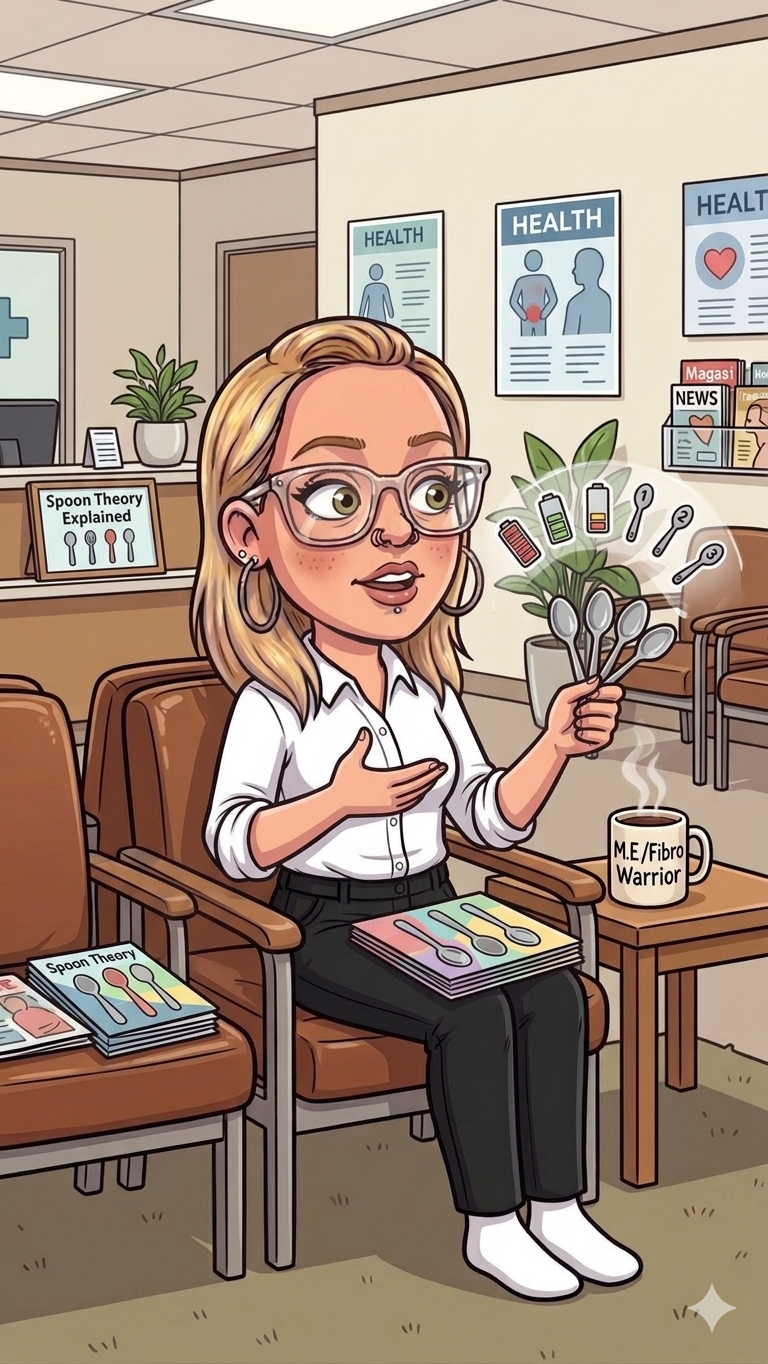
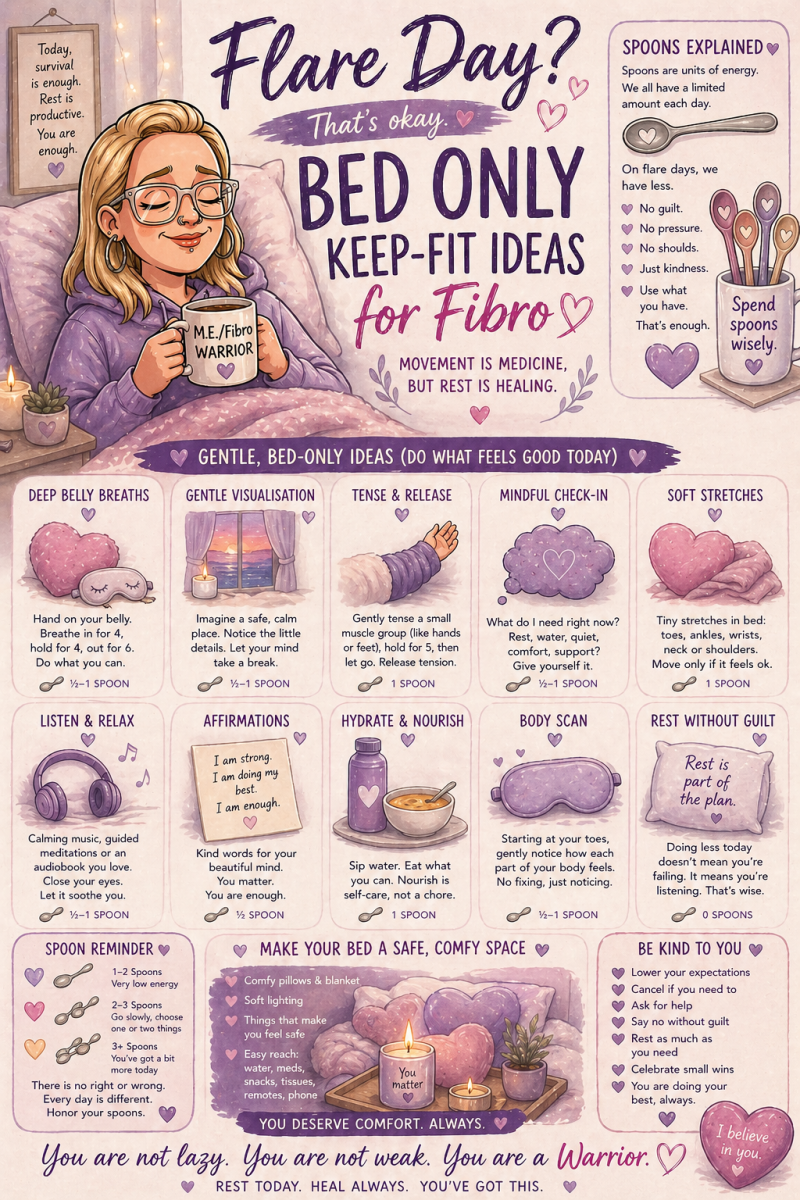
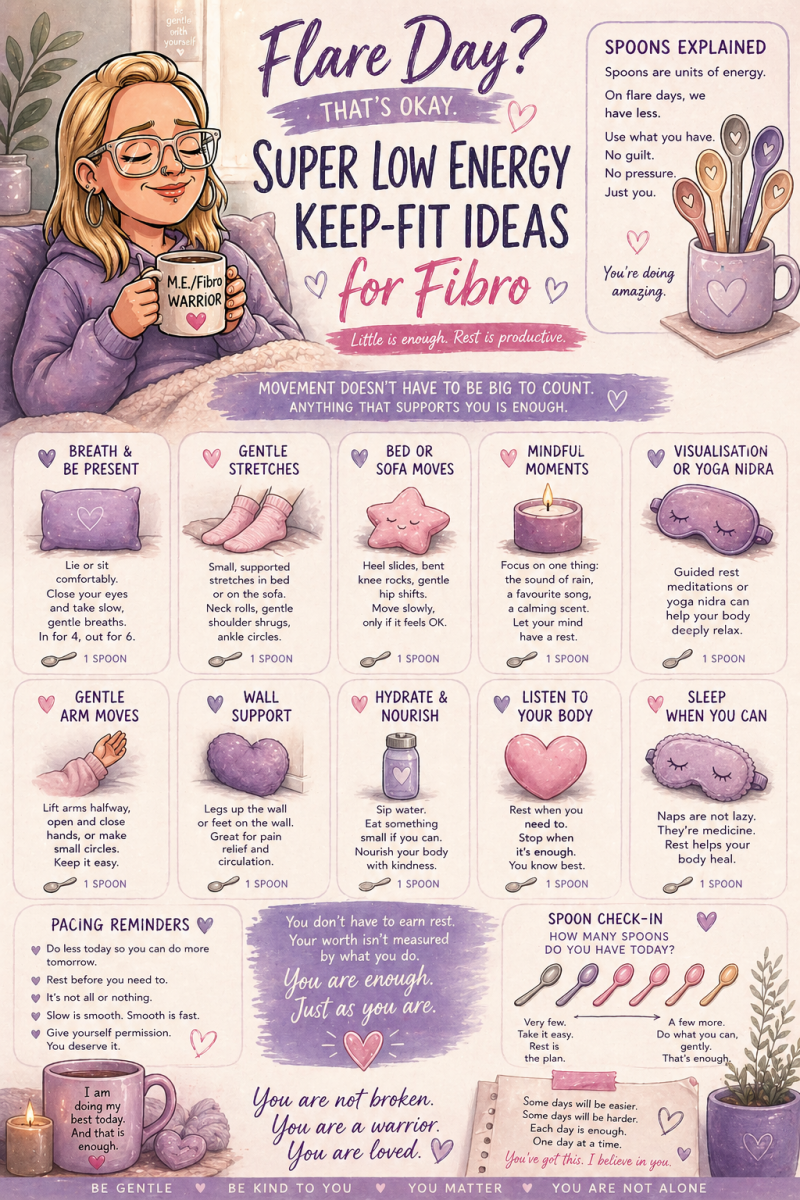
Sometimes, life can feel overwhelming, much like the concept of the spoon theory. Imagine each spoon as a unit of energy or capability you have for the day. On good days, you might have a lot of spoons to spend on various activities, while on bad days, you may find yourself with just a few. This idea helps us understand that our energy is not limitless, and that's perfectly okay.
To make the most of both good days and bad days, it's essential to engage in activities that replenish our spoons. Take time to indulge in hobbies that you enjoy. Whether it’s painting, running, reading, or gardening, these activities serve as a refuge, offering both relaxation and joy. Not only do they help lift your mood, but they also allow you to spend your spoons wisely on what truly matters to you.
Additionally, looking after yourself is paramount. Self-care is often misconstrued as selfishness when, in reality, it is a necessity. Caring for your mental and physical well-being equips you to handle challenges and contribute positively to others. Set aside moments in your day for self-reflection, meditation, or even taking a warm bath. These practices help restore your energy and clarity. Remember, you cannot pour from an empty cup; filling your own needs first allows you to be present for others.
In conclusion, embrace the spoon idea in your life to navigate through the ups and downs. Recognise your limits, rally behind your hobbies, and practice self-care. By doing so, not only will you enhance your own well-being, but you’ll also be better equipped to support those around you.
Celebrating My Inspiring Mum
Giving gratitude to my wee mammie, who has been an incredible inspiration to me, is something I cherish deeply. Throughout all her own struggles, especially her brave battles as a cancer warrior—not just once, but three times—she has selflessly supported me in every way possible. Her strength and resilience shine through even in the toughest of times, showcasing what true courage looks like. Not only is she a phenomenal mother, but she is also my superhero. I am endlessly grateful for her unwavering love, guidance, and the lessons she imparts, reminding me that perseverance and kindness can conquer even the most daunting challenges.
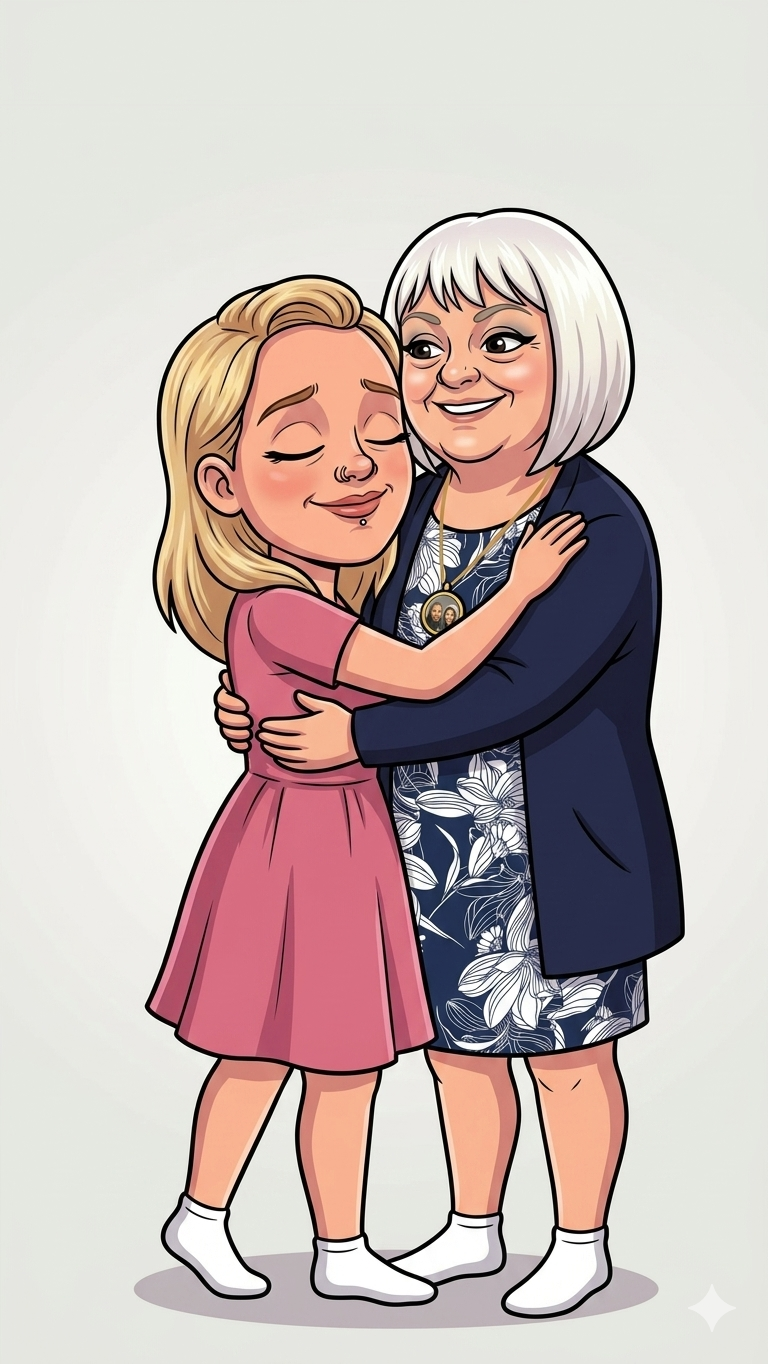
Navigating Work Life with Fibromyalgia
Returning to work after living with fibromyalgia can be a challenging journey, especially when you feel judged by others. Many people may not understand the daily struggles associated with this condition, which can lead to both physical and emotional fatigue. It’s important to recognise your strengths and focus on what you can do, rather than what others think. Setting boundaries around your social interactions is vital; you do not need to engage in every work-related social activity if it feels overwhelming. Instead, consider prioritising your health by allowing yourself time to recharge after work. Establishing a supportive network, whether through colleagues who understand or support groups, can also make a significant difference. Remember that your worth is not defined by how social you are or by others’ perceptions. It’s perfectly okay to carve out your own space while still being a valuable part of your workplace. Celebrate your accomplishments, no matter how small, and take pride in your ability to balance work responsibilities with managing fibromyalgia. With patience and self-compassion, you can create a fulfilling work life while safeguarding your health.
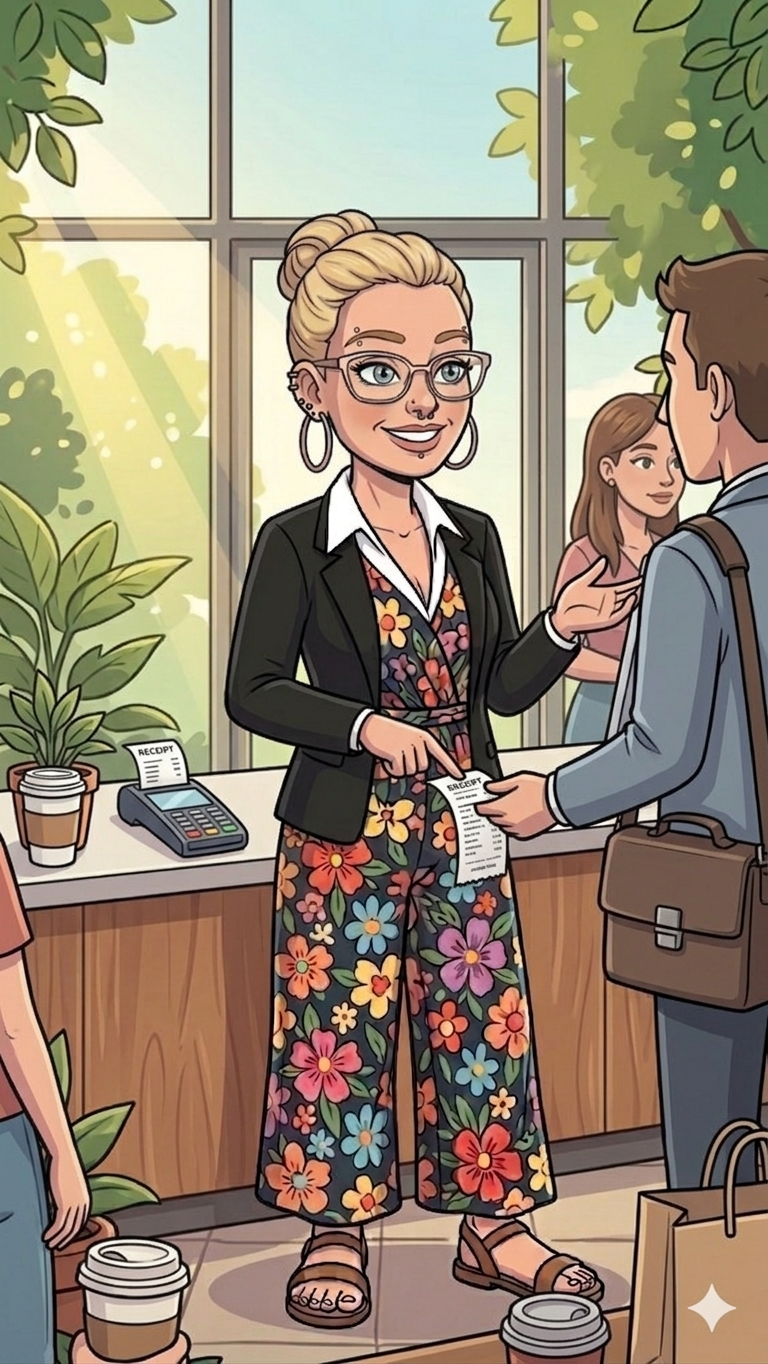
Grateful for a Supportive Boss
Being lucky enough to have an understanding boss makes a tremendous difference in the workplace. Whenever I feel overwhelmed by my tasks, I know I can count on my manager to step in and offer assistance. He ensures that if the workload becomes too much for me to handle alone, he provides additional support by assigning someone to help take over specific responsibilities. This kind of leadership not only alleviates stress but also fosters a collaborative environment where everyone can thrive. Knowing that I have this level of support allows me to focus on delivering my best work without fear of burnout.

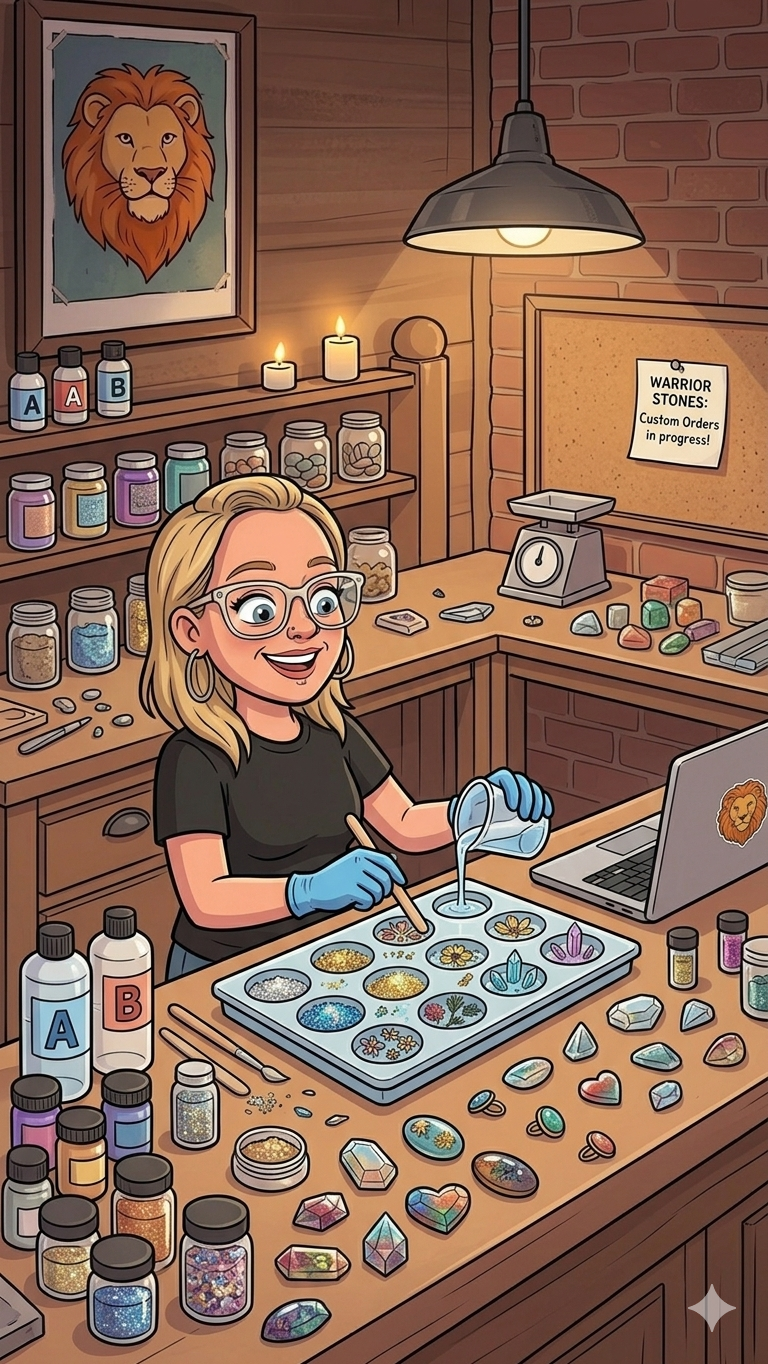
Finding Joy in Crafting and Tarot
When the lockdown happened, I took the opportunity to explore my creative side. I taught myself to craft, finding joy in making unique gifts for friends and family. This creative outlet became a source of comfort during uncertain times. Alongside crafting, I discovered the fascinating world of tarot and the meanings behind various stones. Learning about these topics was not just a hobby; it was a way for me to find solace in solitude, a much-needed escape that was solely for my own enjoyment. Now, I’m excited to share this comfort and joy with others, using my skills to bring a little light and positivity into their lives through thoughtful, handcrafted gifts.
Spreading Joy and Comfort
Now I can hopefully give a little joy and comfort to others with our candles and a variety of different stones. Each candle is crafted with care, designed to illuminate your space and lift your spirits. The soothing glow, combined with delightful scents, creates a warm atmosphere perfect for relaxation or meditation.
In addition to our candles, we offer an array of stones, each with its unique properties and energy. Whether you’re drawn to the calming effects of amethyst or the protective qualities of black tourmaline, there’s something for everyone. These stones can serve not only as beautiful decorations but also as tools for personal growth and reflection.
Furthermore, I hope to encourage others to explore their creative side. Creativity can be a wonderful outlet for expression, and I believe everyone has a creative spark waiting to be ignited. By showcasing our products, I aim to inspire you to try new things and find joy in crafting and creating. Whether it’s making your own candles or arranging stones in a meaningful way, the journey of creativity can bring immense satisfaction and happiness.
Join me in this adventure of discovery, where we can find comfort in simplicity and joy in creativity. Together, let’s illuminate our lives with beautiful candles and the unique energy of stones. Who knows what beautiful creations await when we embrace our artistic sides?
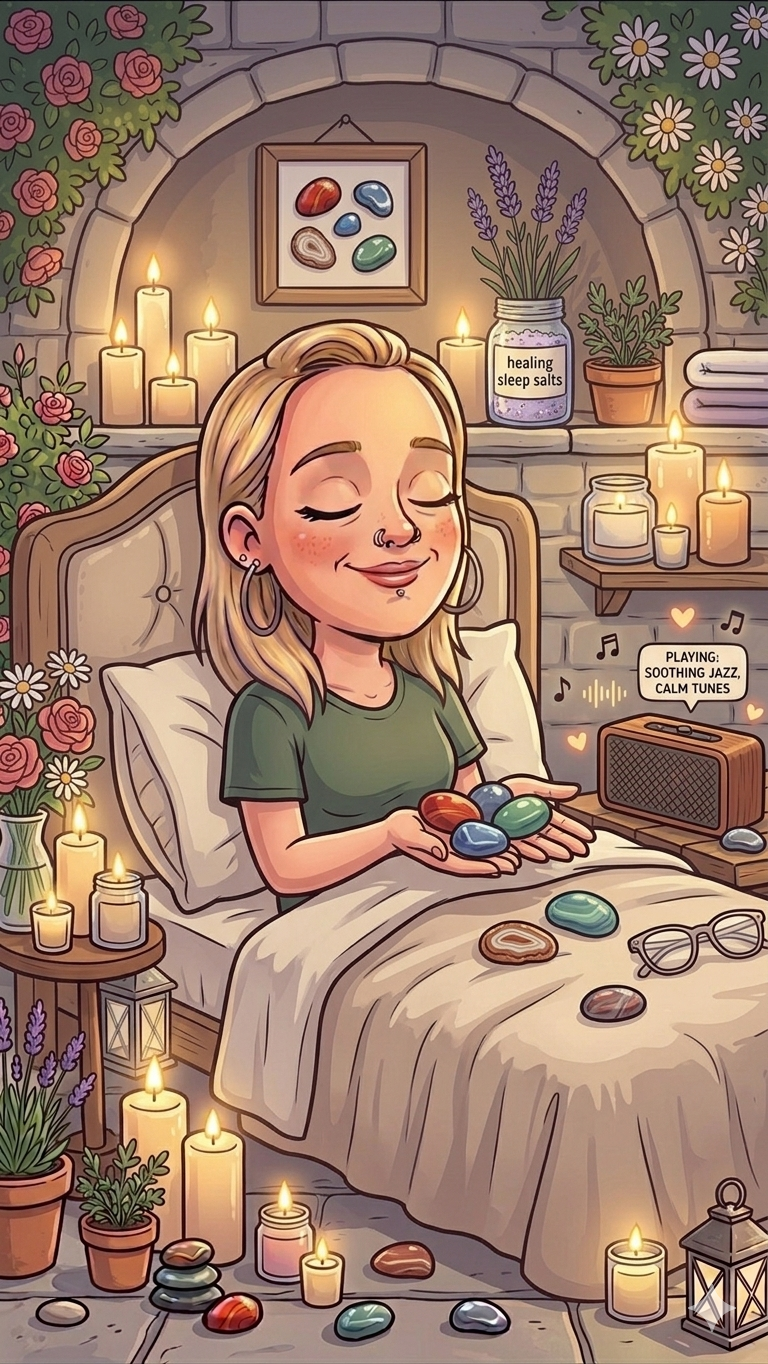
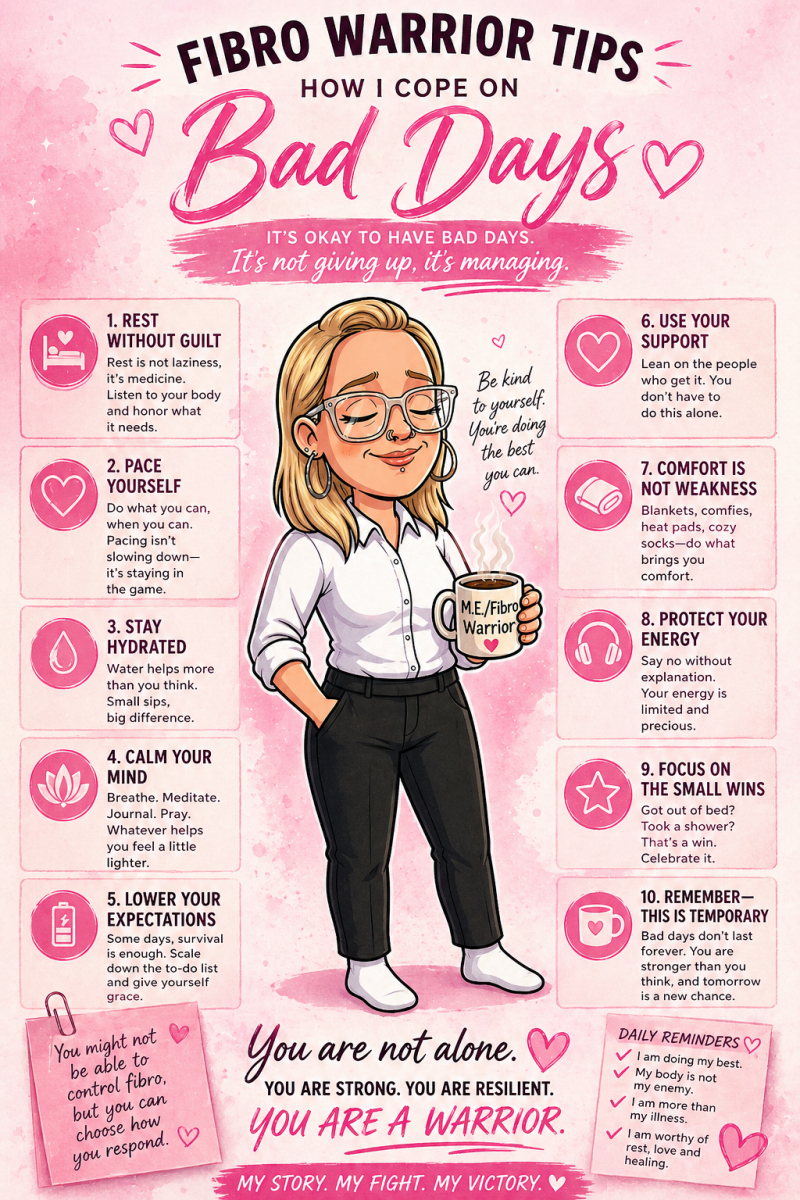
The Impact of Work on Mental Health
Navigating work has been challenging at times, but it has significantly improved my mental health. Having a routine has proven beneficial, and the support from my fantastic colleagues and understanding boss makes a world of difference. They regularly check in on me and offer assistance whenever needed, which truly helps ease the pressures of daily challenges. While I often find that work is all I can focus on, the balance it brings to my life cannot be overstated. Engaging in work has allowed me to create a stable environment where I can thrive, all thanks to the positive relationships I've built along the way.
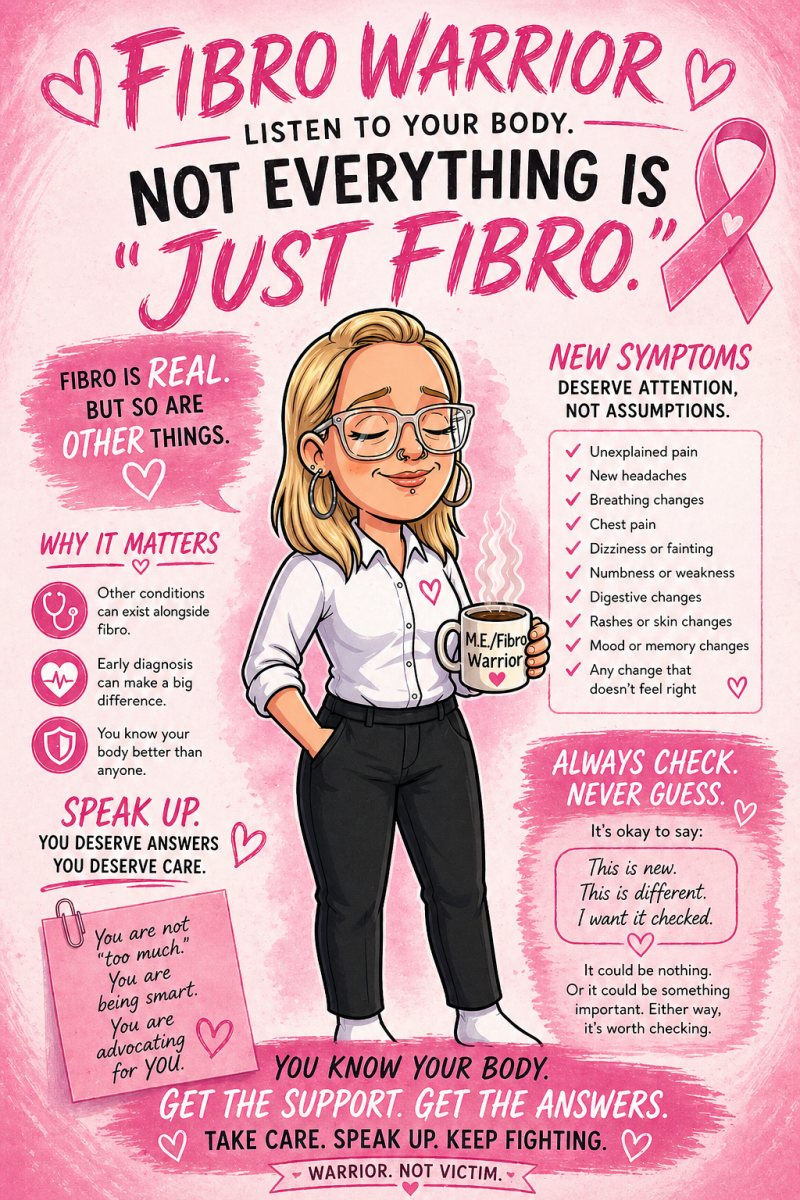
Understanding Fibromyalgia and Listening to Your Body
Living with fibromyalgia requires a deep awareness of your body and its signals. My experience emphasised this necessity, especially when I unexpectedly faced sepsis. Unlike typical cases, mine didn't exhibit the usual symptoms, which made it challenging to recognise. This taught me the importance of being attuned to subtle changes in my body. Following that, I encountered appendicitis; however, the pain I experienced was merely a slight nagging discomfort, persisting until I required emergency surgery. These incidents reinforced how crucial it is for individuals with fibromyalgia to listen carefully to their bodies, as symptoms may not always align with common expectations. By acknowledging these variations, we can advocate for our health more effectively and seek timely medical attention.
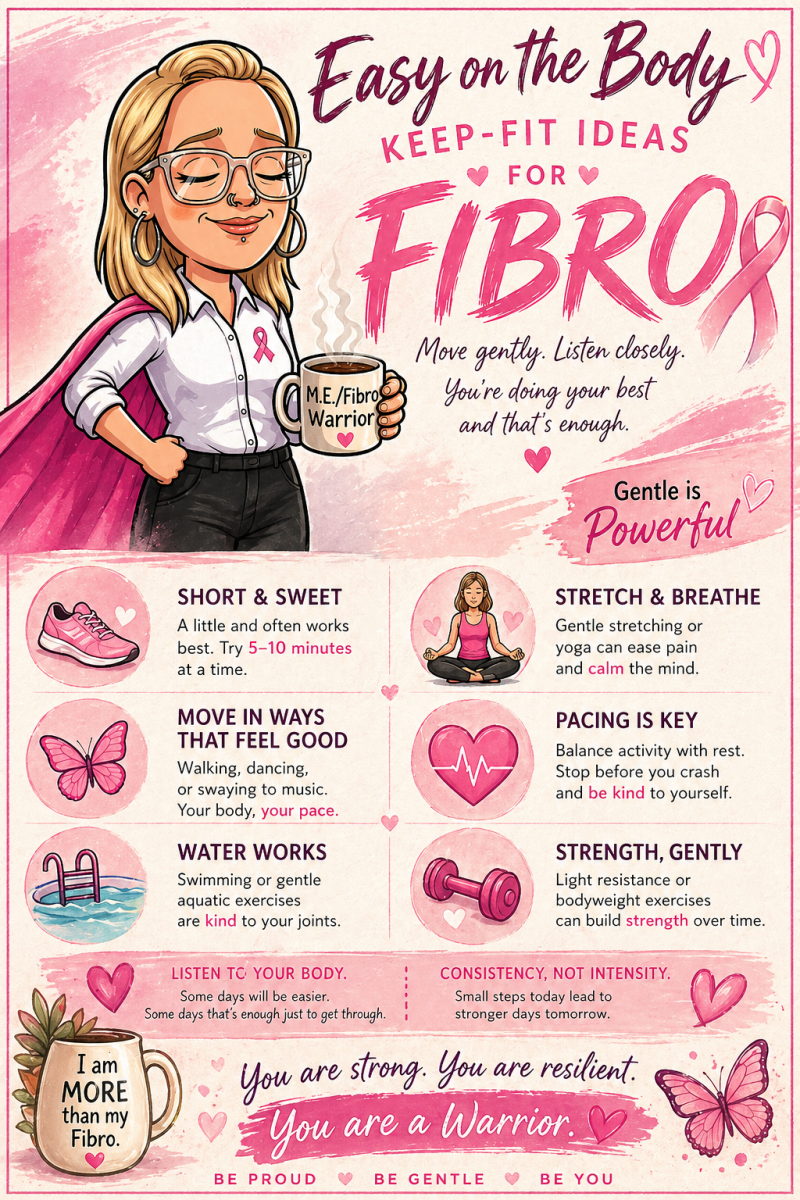
Finding Time for Yourself
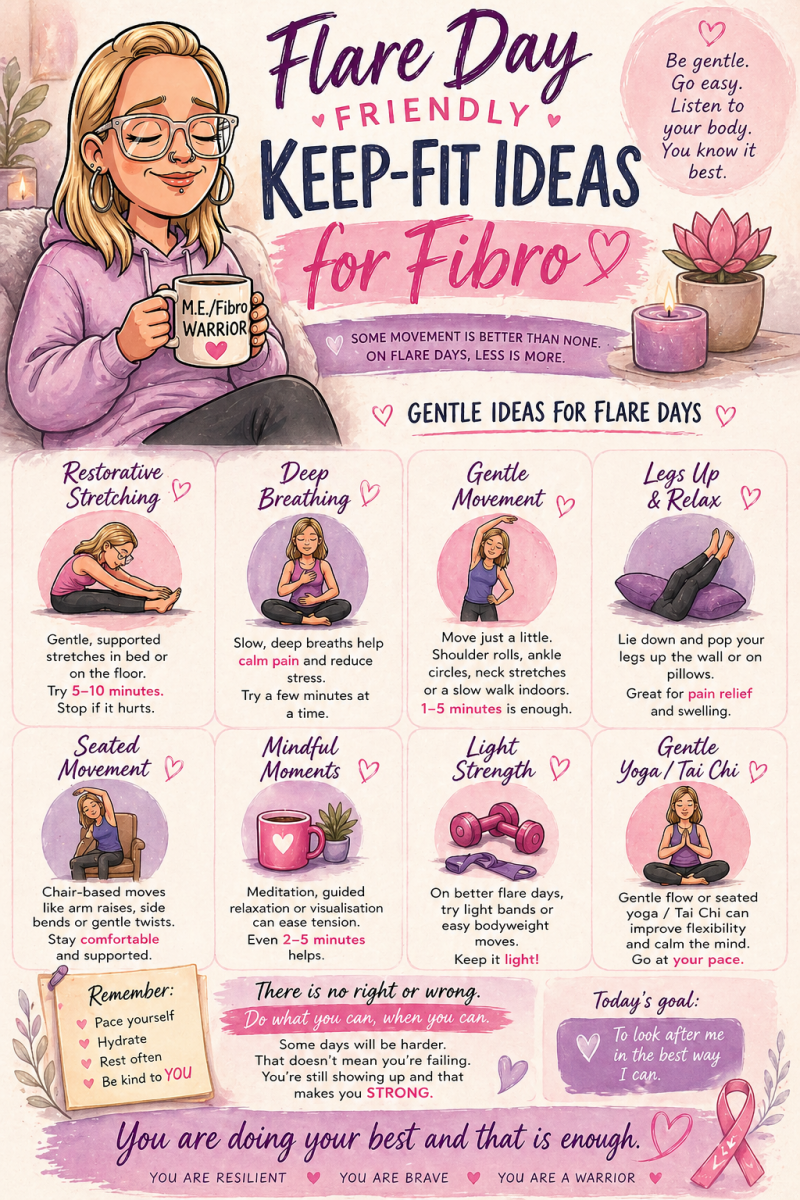
In our busy lives, it’s essential to take a step back and find time for yourself. Engaging in a hobby can provide the comfort you need, especially when managing the struggles that come with chronic illness. Remember, it’s not selfish to prioritise your well-being; it’s a crucial part of self-care. Whether it's painting, gardening, or even reading, find something that brings you joy and allows you to escape from daily pressures. These moments of personal enjoyment can recharge your spirit, enhance your mental health, and ultimately help you cope better with your illness. So, take that time—you deserve it!
"Coming to this page, I finally felt that someone truly understood what I was going through. The guilt began to lift, and I felt less alone."
A fellow Fibro Warrior