


Living with chronic illness: Our journey
Learning to Live with a Chronic Illness
Living with a chronic illness can be challenging and overwhelming. It often requires adjustments not only in your daily routine but also in your mindset. Accepting the reality of your condition is the first step towards managing it effectively. This acceptance does not mean giving up hope; rather, it means understanding your limits and learning to work within them.
Effective communication with healthcare providers is crucial. They can offer invaluable support, treatment options, and guidance tailored to your specific needs. Keep detailed records of your symptoms and experiences, as this can help your doctors make more informed decisions about your care. Don’t hesitate to ask questions or express concerns, as an active role in your healthcare is empowering.
Incorporating self-care into your routine can also make a significant difference. This might include eating a balanced diet, engaging in gentle exercise, and practicing mindfulness or relaxation techniques. Many find that spending time in nature, meditating, or doing yoga helps alleviate stress and improve overall well-being.
Support networks are invaluable when living with a chronic illness. Consider joining support groups, whether in-person or online, where you can connect with others who understand your struggles. Sharing experiences and coping strategies can help mitigate feelings of isolation and provide comfort during tough times.
It’s important to establish a strong support system, which may include family, friends, or online communities. Educating your loved ones about your condition is essential so they can provide better support and understanding. Being open about your limitations and needs helps create a more manageable environment for everyone involved.
Setting realistic goals can also enhance your quality of life. Break tasks down into smaller, achievable steps and celebrate your accomplishments, no matter how minor they may seem. This approach can help boost your confidence and motivate you to keep moving forward.
Lastly, always remember to be kind to yourself. Living with a chronic illness means there will be good days and bad days. It’s important to acknowledge your feelings and allow yourself grace on tougher days. Adaptability and resilience are your allies in this journey, guiding you to find a fulfilling life despite the challenges.
In conclusion, while learning to live with a chronic illness can feel daunting, taking proactive steps towards understanding, managing your health, and seeking support can greatly improve your quality of life. Embrace the journey, stay informed, and keep hope alive.
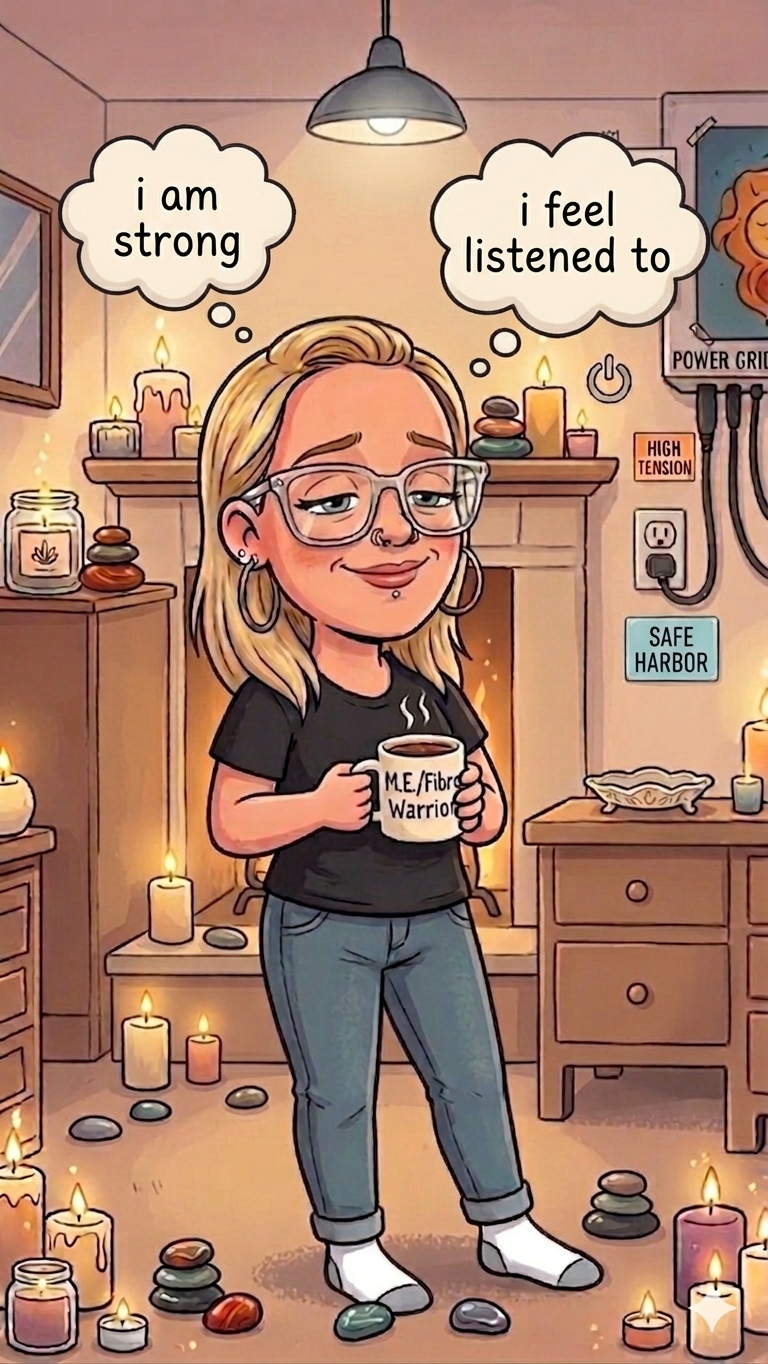
Understanding the Emotions of a Chronic Illness Diagnosis
Receiving a diagnosis of a chronic illness can be a life-altering moment, laden with a complex mix of emotions. Initially, many individuals experience shock; the sudden reality of having a long-term condition can be overwhelming. Following this, it’s common to feel disbelief, questioning whether the diagnosis could really be accurate. As the reality sets in, feelings of sadness or grief often emerge. This can stem from the loss of the life one envisioned before the diagnosis, leading to a profound sense of mourning for dreams that feel unattainable.
Compared to other emotional responses, anger frequently arises, manifesting as frustration towards the illness itself, or even towards the healthcare system for perceived inadequacies. Along with anger, anxiety might compound feelings of uncertainty about the future—worries about medical expenses, treatment plans, and the overall trajectory of life can become consuming. Individuals may also experience isolation, feeling disconnected from friends and family who may not fully understand their condition.
As time goes on, many find themselves in a state of acceptance, which, while not always easy, paves the way to a renewed perspective on life. It’s important to acknowledge that these emotions can fluctuate day by day, and even hour by hour. Finding support through peers, therapy, or support groups can be invaluable in navigating the emotional turmoil. Ultimately, understanding and processing these emotions is a crucial part of living with a chronic illness, fostering a pathway towards adaptation and resilience.
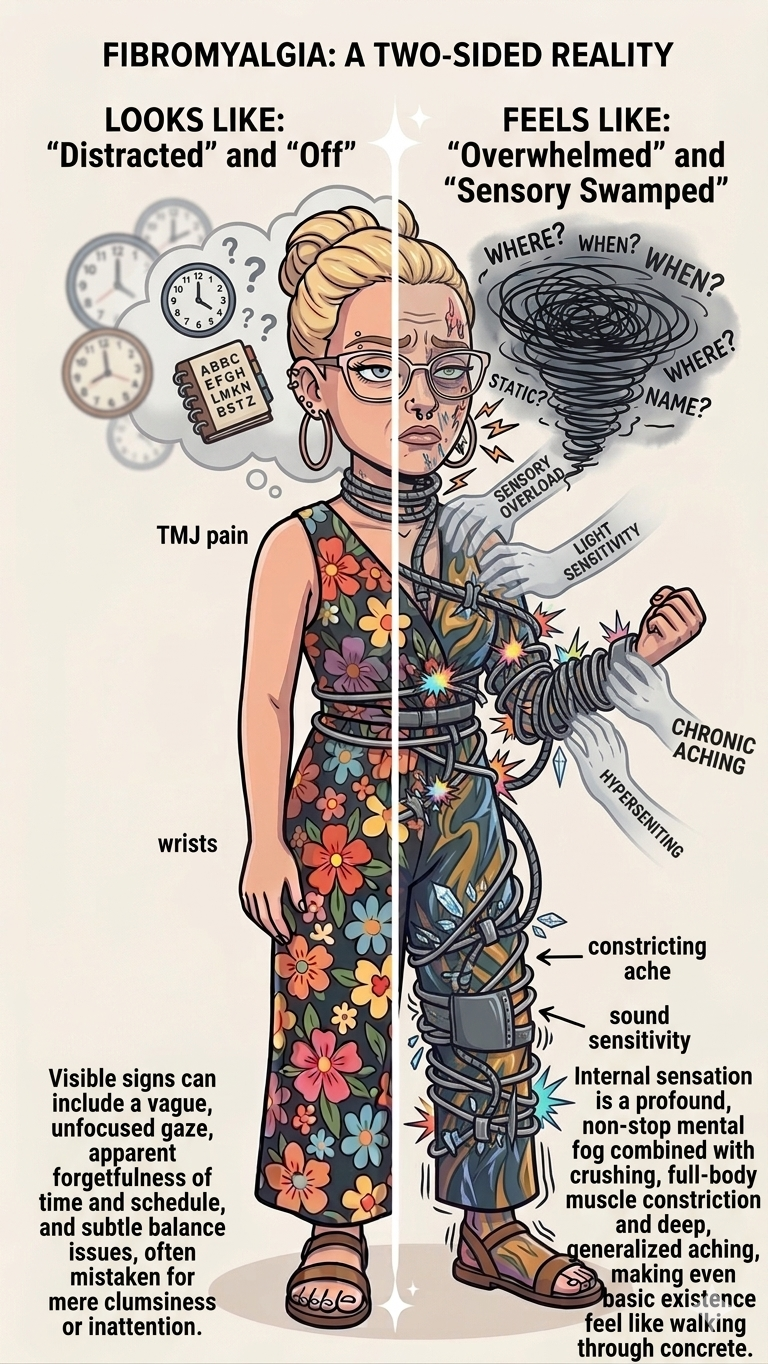
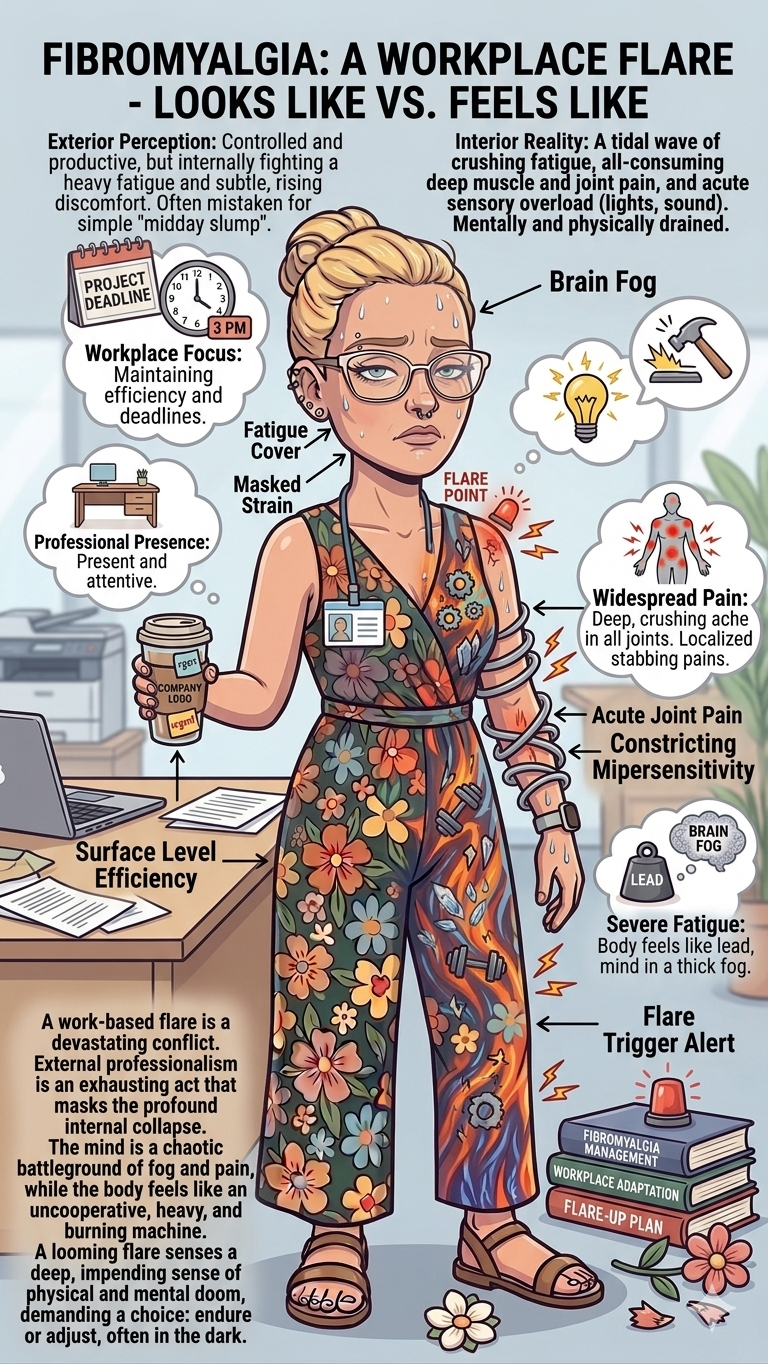
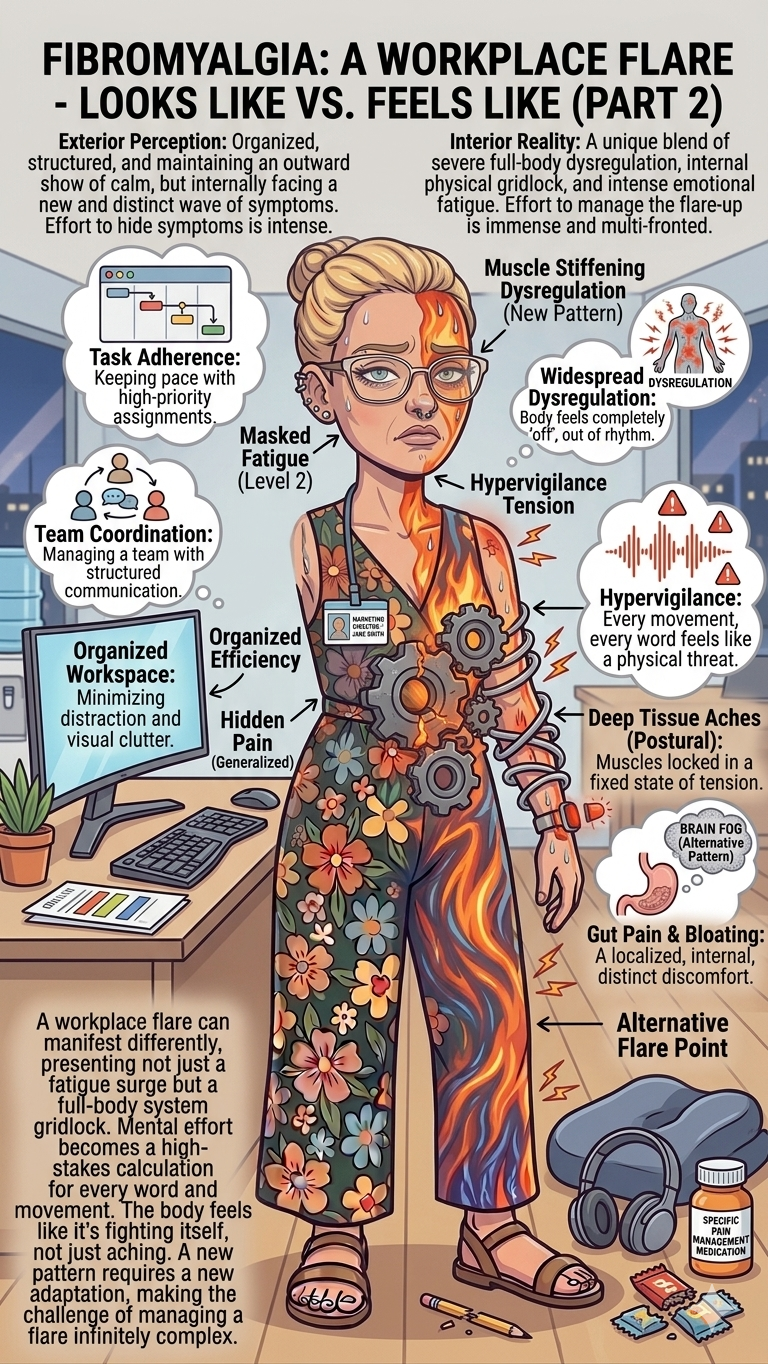
Living with fibromyalgia and M.E. has taught me invaluable lessons. One of the most important is to let go of guilt about what I can't do. I've learned to truly listen to my body, understanding that over-exertion isn't worth the setback. Professionals sometimes get it wrong; it's now widely acknowledged that exercise can worsen these conditions for some. Find joy in the small victories, and remember, you are your own biggest advocate. You know your body best, and what truly works for you.
Managing Life with a Chronic Illness: Steps to Empowerment
Dealing with a chronic illness can be a significant life change that affects your daily routine, relationships, and emotional well-being. It's important to acknowledge your feelings and allow yourself time to adjust. Here are some steps to help you navigate this challenging journey.
1. Understand Your Illness
Knowledge is power. Educate yourself about your condition. This understanding can alleviate fears and uncertainties. Speak with medical professionals, read reputable sources, and join support groups. The more you know, the better equipped you'll be to make informed decisions about your health.
2. Develop a Support Network
Building a strong support network is crucial. Surround yourself with understanding family members, friends, and healthcare providers. Don't hesitate to share your feelings and experiences with them. Consider joining a local or online support group where you can connect with others who share similar challenges.
3. Focus on Self-Care
Self-care is essential for managing a chronic illness. Prioritise your physical and emotional well-being. This can include regular medical check-ups, a balanced diet, adequate sleep, and gentle exercise. Additionally, don’t forget to nurture your mental health through mindfulness practices like meditation or yoga. Take time each day to do something you enjoy and that brings you joy.
4. Create a Routine
Establishing a daily routine can bring structure to your life. This helps in managing symptoms and can reduce stress. Plan your days around your energy levels, incorporating rest periods and breaks as necessary. Be flexible in your approach, as some days will be better than others.
5. Set Realistic Goals
Set achievable goals for yourself, both short-term and long-term. These goals should focus on what you can do rather than on what you can’t. Celebrate small victories along the way, as they can help motivate you to keep pushing forward.
6. Communicate with Others
Open communication with those around you is vital. Let your loved ones know how your illness impacts your life and what support you need. This honesty can foster deeper connections and help them understand your situation better.
7. Seek Professional Help
If you're feeling overwhelmed, consider seeking help from a mental health professional. Chronic illness can lead to feelings of anxiety and depression, and having someone to talk to can be incredibly beneficial. Therapists can provide strategies to cope with these emotional challenges.
8. Stay Positive and Resilient
While it's normal to have difficult days, try to maintain a positive outlook. Practise gratitude by acknowledging the things you can still do and the support you have. Resilience is built over time; focus on what you can control and adapt as needed.
Conclusion
Life with a chronic illness certainly presents challenges, but with the right strategies and support, it is possible to lead a fulfilling life. Embrace each day as it comes and continue to take small steps towards managing your health. Remember, you are not alone in this journey.
Explaining Chronic Illness to Your Partner
Communicating about chronic illness can be challenging, but it's essential for fostering understanding and support in your relationship. Start by choosing a comfortable and quiet setting where both of you can talk openly. Begin with a brief overview of your condition—explain what it is, how it affects you daily, and the symptoms you experience. Sharing personal stories can help your partner understand the emotional and physical impact it has on your life. Use straightforward language and avoid medical jargon to ensure clarity.
Be Honest About Your Needs
After explaining the basics of your illness, discuss how it affects your daily activities. Clearly articulate what you need from your partner, whether it's assistance with certain tasks, emotional support, or simply a willingness to listen. Encourage them to ask questions; this shows their interest and concern. Remember, it's okay to express when you're feeling overwhelmed or in pain, as this opens the door for deeper conversations about your experiences.
Discuss Ways They Can Help
Once you’ve laid the groundwork, discuss specific ways your partner can help you navigate your condition. For example, they could accompany you to doctor appointments, help with household chores, or simply be there for a chat when you need support. Explain that you don’t expect them to have all the answers or solutions; sometimes just having someone listen can be a huge comfort. Emphasise that their support not only alleviates burdens but also strengthens your relationship.
Encourage Ongoing Communication
Make it clear that this conversation is not a one-time event. Encourage ongoing dialogue about your condition as it evolves. Chronic illnesses can fluctuate, and what you need today might differ in six months. Keeping the lines of communication open will help both of you navigate changes and challenges together. Remind your partner that their understanding and empathy are invaluable to you as you face the ups and downs of living with a chronic illness.
Be Patient and Understanding
Finally, remind yourself and your partner that patience is key. It may take time for them to fully understand your illness and how it affects you. Allow them the space to process the information and encourage them to express their thoughts and feelings about it too. Remember, you are on this journey together, and with open hearts and minds, you can strengthen your bond through shared understanding and mutual support.
Explaining Chronic Illness to Your Kids
When it comes to explaining chronic illness to your children, the key is to approach the subject with openness and clarity. Start by finding a quiet moment when you can sit down together, ensuring they feel comfortable and attentive. Begin by simply explaining what a chronic illness is—something that lasts for a long time and might not have a specific cure. Use age-appropriate language; for younger children, you might say, "It’s like when you have a cold that just won’t go away, but for some people, it can be part of their life for a long time."
Encourage Questions
Encourage them to ask questions. Let them know it’s okay to be curious and that their feelings are valid. Children often process information differently than adults, so they might have both simple and complex questions. Be patient and honest in your answers, even if you don’t have all the answers. If you’re unsure, it’s perfectly okay to say, "I don’t know, but we can find out together."
Discuss the Impact
Help them understand how the illness affects your daily life, while emphasising that it doesn’t change the love in your family. You could convey, "Sometimes I might feel tired or have to see the doctor often, but that just means I might need to rest more or do things differently. It doesn’t mean I love you any less!" This reassures children that, while changes may occur, the family bond remains strong.
How Kids Can Help
Make it a collaborative experience. Discuss ways your children can offer support, which can empower them and reduce any feelings of helplessness. Ideas could include helping with small tasks around the house, spending quality time with you during low-energy days, or even just being kind and understanding. You might say, "On days when I feel really tired, maybe we can pick a fun movie to watch together instead of playing outside. That way, we’re still spending time together, just in a different way."
Normalising Conversations
Ensure these discussions are not one-time conversations but part of an ongoing dialogue. Normalising the topic will help them feel confident in expressing their feelings and concerns in the future. Regular check-ins can foster understanding and emotional connection. You can say, "How do you feel today about what we talked about? Do you have any new questions or feelings?"
Encourage Empathy
Use this opportunity to teach empathy and kindness, important values that will benefit them in many aspects of life. Help them see that by understanding your situation, they can apply that understanding to others who may be facing challenges in their own lives. Share stories or examples that highlight how compassion plays a crucial role in relationships and communities.
Provide Support Resources
If appropriate, consider involving them in support groups or activities designed for families dealing with chronic illness. This will not only offer them a space to share their feelings but also connect them with others in similar situations, making them feel less isolated. Let them know that many families go through the same challenges, and they are not alone.
Ending on a Positive Note
Finally, remind them that while chronic illness can be challenging, it can also lead to deeper family bonds and new learnings. Reinforce that love, understanding, and shared experiences matter most. As a family, you can build resilience together, and there is always room for positivity and hope. This approach fosters a supportive environment, allowing your children to grow into compassionate individuals who are well-equipped to face life’s challenges, including their very own.
Explaining Chronic Illness to Friends
Living with a chronic illness can often feel isolating, especially when it comes to explaining your condition to friends who may not fully understand what you’re going through. The key to conveying your experience is simplicity and openness. Start by sharing what your condition is and how it affects your daily life. Use clear language and avoid medical jargon; describe your symptoms and their impact on your energy levels and ability to engage in activities. This helps friends grasp not just the medical aspects but the emotional and social implications as well.
Communicating Your Needs
It’s important to communicate your needs clearly. Let your friends know what you’re comfortable with in terms of socialising. Explain that some days may be better than others, and there might be times when you can’t participate in activities, even if you want to. If you have specific triggers or accommodations that help, share these. This will enhance their understanding and enable them to support you better.
The Risk of Losing Friendships
Despite your efforts to educate your friends, there’s a potential risk of losing some connections. Friends who fail to understand your situation may drift away, feeling uncomfortable or unsure of how to react. Others might not be able to adapt to the new dynamics of your friendship, especially if plans frequently change. This can be painful, but it’s crucial to remember that true friends will stick by you and make an effort to understand your journey.
Maintaining Friendships
To help preserve your friendships, consider inviting your friends to participate in your world. Share articles or resources about your condition, invite them to ask questions, or suggest activities that accommodate your limitations. Mutual understanding and patience are vital. Over time, maintaining honest, open dialogue will strengthen your bonds and ensure that your friends remain supportive, even during tough times.
Conclusion
Explaining a chronic illness to friends is a delicate process that requires honesty and compassion. By providing clear information about your experience and needs, you can foster stronger relationships. Although some friendships may fade, the connections that endure will be more meaningful and built on a foundation of understanding and respect.
Myth versus Truth about Chronic Illness
Chronic illness affects millions of people around the world, yet many misconceptions surround these health conditions. Understanding the truth behind these myths is essential for supporting those who are affected and for advocating better health policies.
Myth 1: Chronic Illnesses Are Not Severe
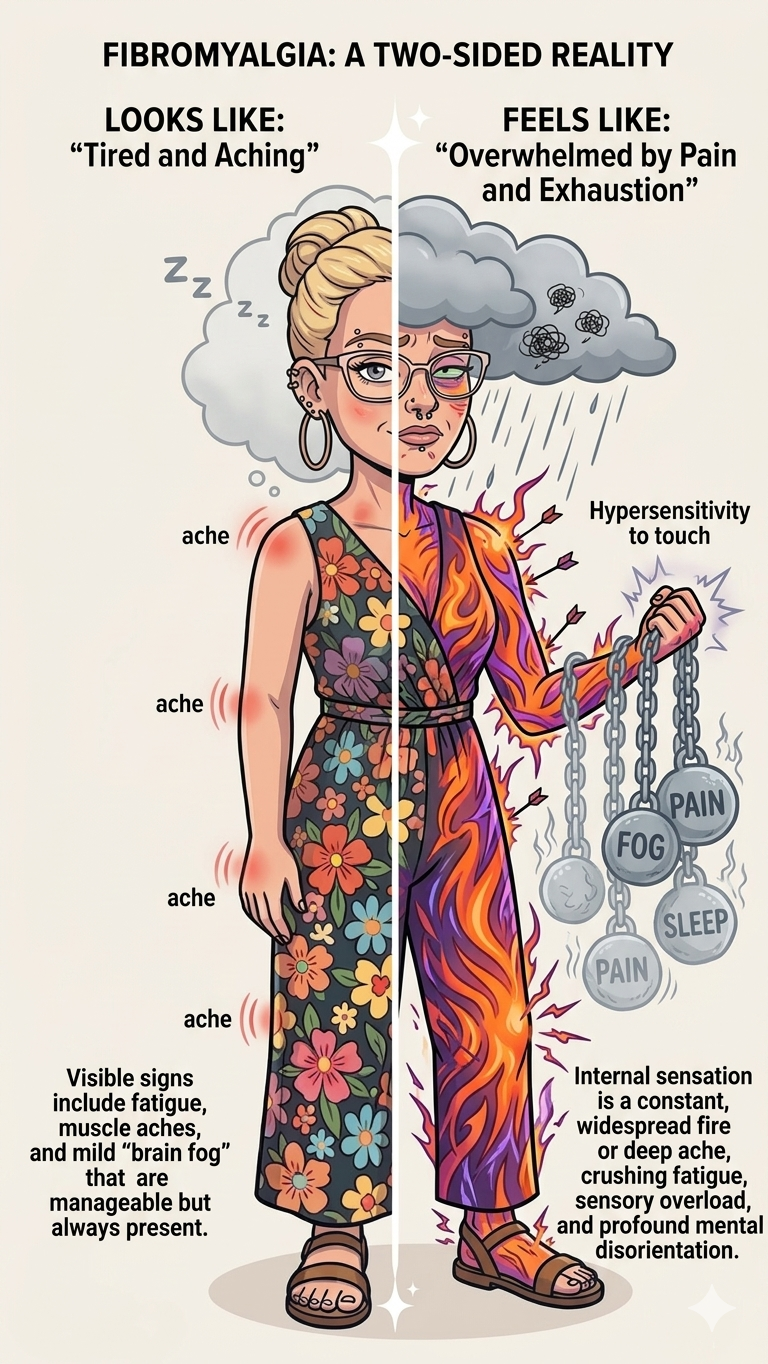
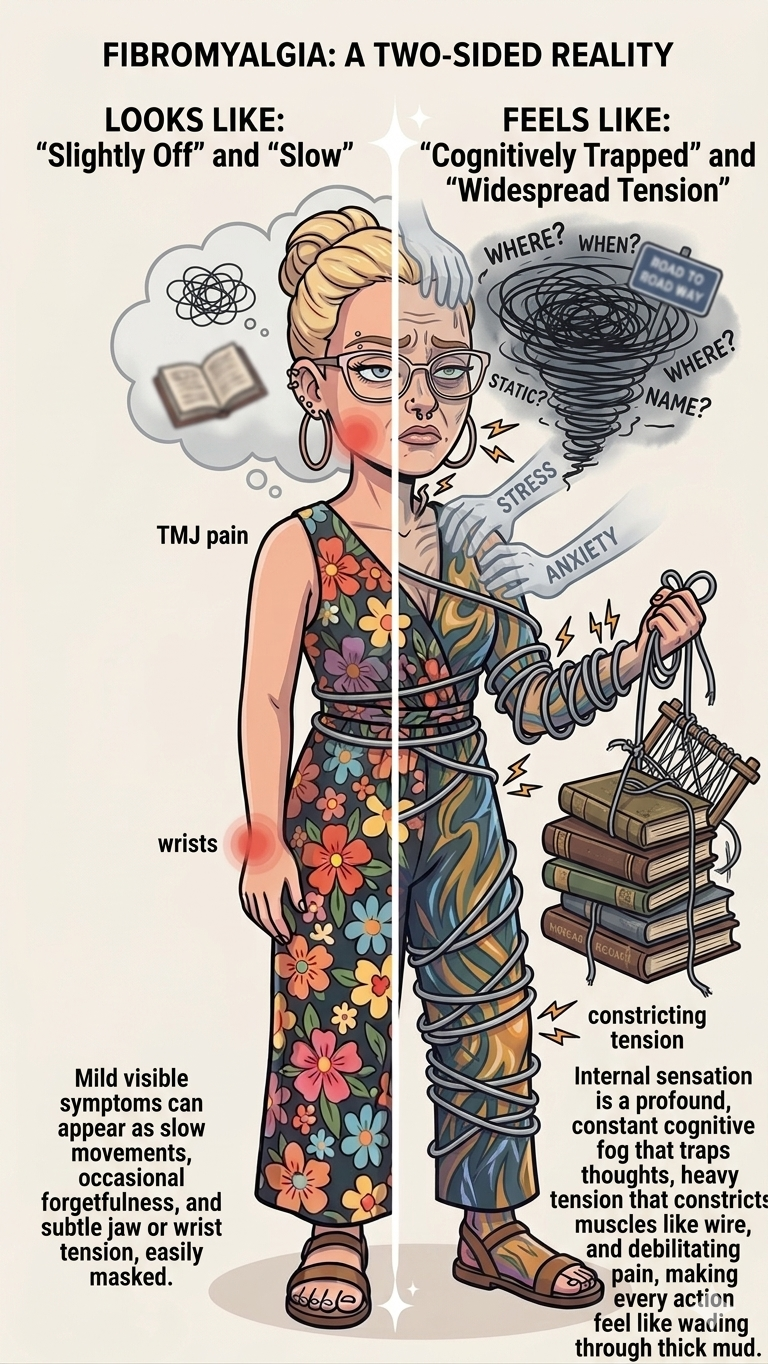
One common myth is that chronic illnesses, such as fibromyalgia or chronic fatigue syndrome, are not severe and that patients are simply exaggerating their symptoms. In reality, chronic illnesses can be debilitating and profoundly impact a person’s quality of life. These conditions can lead to persistent pain, fatigue, and cognitive issues that are very real and deserve recognition.
Myth 2: People With Chronic Illness Look Sick
Another misconception is that individuals with chronic illnesses always exhibit visible signs of their condition. Many chronic illnesses are invisible, meaning that a person may appear healthy on the outside while struggling with significant health issues internally. This invisibility can lead to misunderstanding and a lack of empathy from others.
Myth 3: Chronic Illness is Always Genetic
While some chronic illnesses have a genetic component, many do not. Factors such as environmental triggers, lifestyle choices, and infections can also play significant roles in the development of these diseases. It's essential to look at chronic illness as a complex interplay of various influences rather than solely attributing them to genetics.
Myth 4: Chronic Illness Cannot Be Managed
Some believe that once diagnosed with a chronic illness, there is little that can be done to improve one’s situation. However, many chronic illnesses can be effectively managed through a combination of medication, therapy, lifestyle changes, and support systems. With the right approach, individuals can lead fulfilling lives despite their diagnoses.
Myth 5: People with Chronic Illness are Always Disabled
Not every individual with a chronic illness is disabled. While some may require accommodations or support, many can still participate fully in their daily lives, work, and social activities. Each person’s experience with chronic illness is unique, and it is crucial not to generalise or make assumptions about their capabilities.
The Importance of Education and Awareness
To break down these misconceptions, education and public awareness are vital. Understanding that chronic illness is not simply a personal experience but a societal issue can help foster empathy and support. Encouraging open conversations about chronic health issues can lead to better support systems and policies that address the challenges faced by those living with these conditions.
Conclusion
Recognising the differences between myth and truth regarding chronic illness is essential in creating a more informed and compassionate society. By dispelling these myths, we not only empower those with chronic illnesses but also contribute to a healthier, more understanding community.
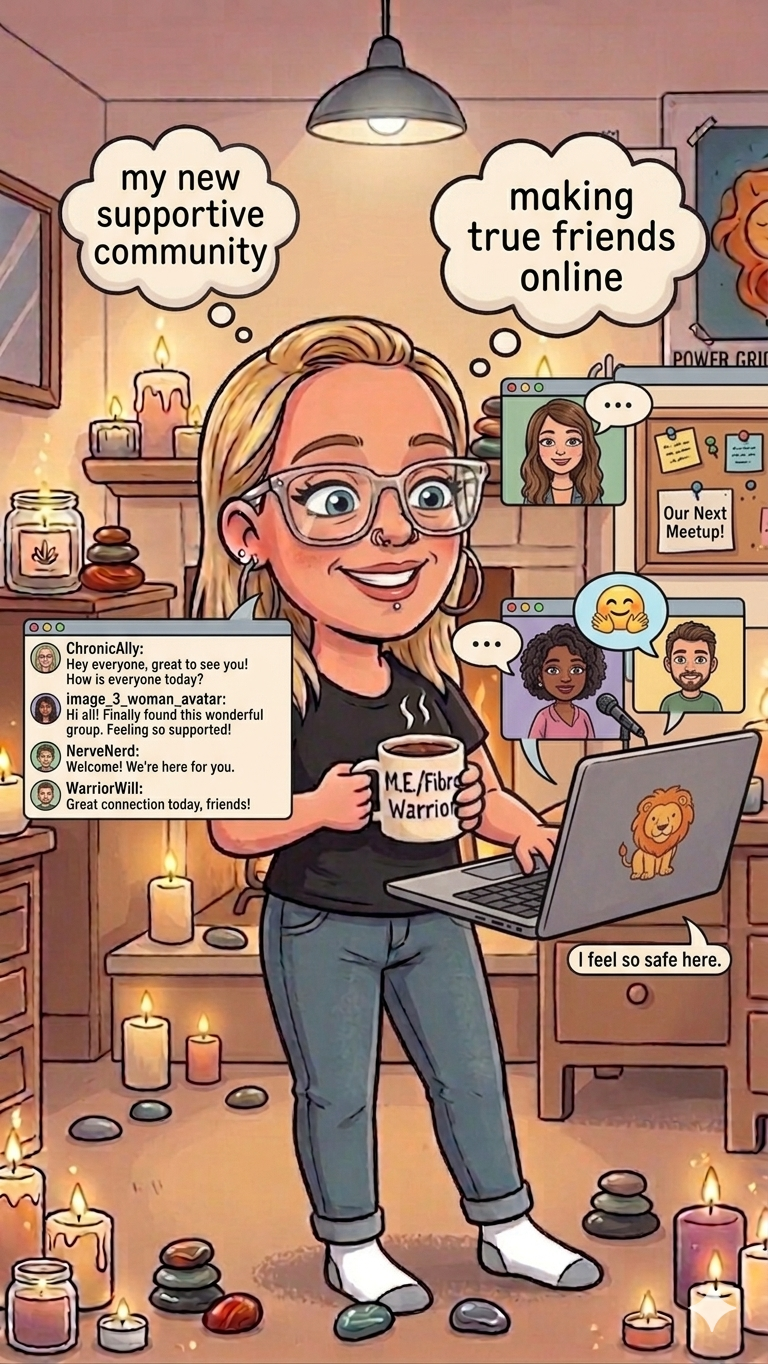
A safe space for you to feel heard
We want this page to be a place where you feel understood and supported. Ask anything, share your experiences, and know that someone is here for you. Our aim is to foster a sense of community, where you can connect with others and build friendships, especially in our dedicated community section. You are not alone on this journey.

"This page made me feel so much less alone. It’s comforting to know there are others who truly understand."
— A Fibro Warrior community member